
Equipment
How to Choose a First Telescope
An overview of refractors, reflectors, and catadioptrics — with notes on aperture, mount types, and what to realistically expect at different price points.
Reference guides and practical notes on telescopes, dark-sky locations, seasonal celestial events, and astrophotography for observers across Poland.

Articles
Three introductory topics covering the most common questions from beginner observers in Poland.
Equipment
An overview of refractors, reflectors, and catadioptrics — with notes on aperture, mount types, and what to realistically expect at different price points.

Locations
A regional summary of low-light-pollution areas, including the Bieszczady Mountains and Roztocze, with notes on seasonal access and sky quality.
Imaging
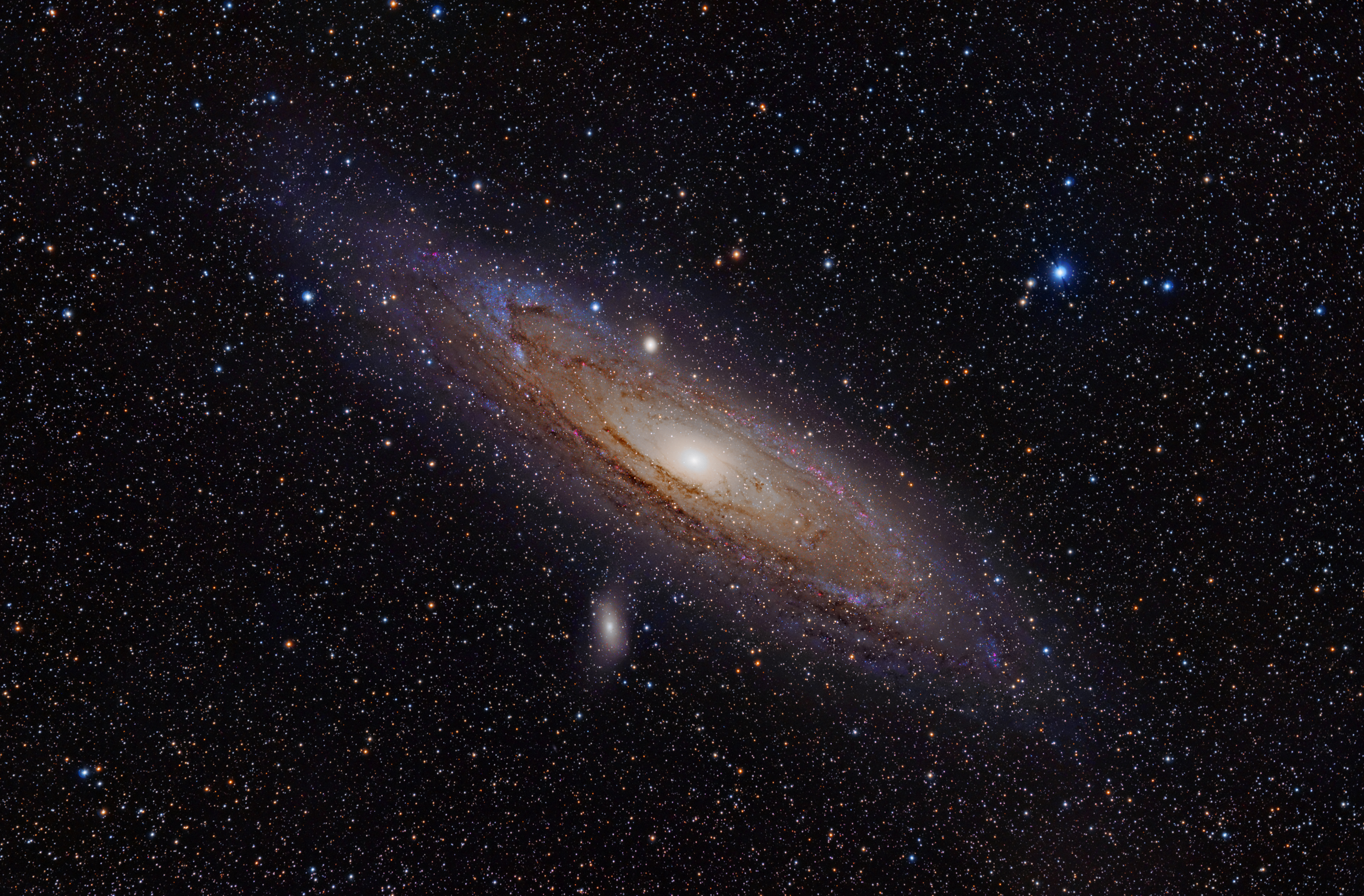
From single-shot wide-field images to tracked deep-sky exposures — a practical introduction to capturing the night sky with a camera and basic equipment.
Celestial events
Poland's geographic position (roughly 50–54° N latitude) makes it well-suited for observing a wide range of northern-sky objects. Key annual events visible from Polish latitudes include the Perseid meteor shower (peak around 12–13 August), the Geminids (13–14 December), and the winter visibility window for Orion and its surrounding nebulae.
Jupiter reaches opposition in late 2026, offering extended viewing windows in the evening sky. Saturn's rings remain well-tilted for ground-based observers through the autumn months.
About this site
Ionzormon focuses on the practical side of amateur astronomy: equipment selection, finding low-pollution sites, and getting started with imaging. Content is written in accessible language without assuming prior technical knowledge.
All articles reference publicly available data and link to authoritative sources including ESO, NASA, and the Polish Astronomical Society (PTA). No data is invented or extrapolated.
About Ionzormon →Quick reference
| Object | Type | Best season | Min. aperture |
|---|---|---|---|
| Orion Nebula (M42) | Emission nebula | December – February | 60mm refractor |
| Andromeda Galaxy (M31) | Spiral galaxy | September – November | Naked eye / binoculars |
| Pleiades (M45) | Open cluster | October – January | Naked eye / binoculars |
| Saturn | Planet | July – October | 60mm refractor |
| Jupiter | Planet | Year-round (varies) | 60mm refractor |
| Double Cluster (NGC 869/884) | Open clusters | October – December | Binoculars |
Contact
Questions, corrections, or site feedback can be submitted below. No data is transmitted to a third party.